
By Flavia Ajok
Uganda has taken a major step towards cutting energy waste and lowering costs for households and businesses.
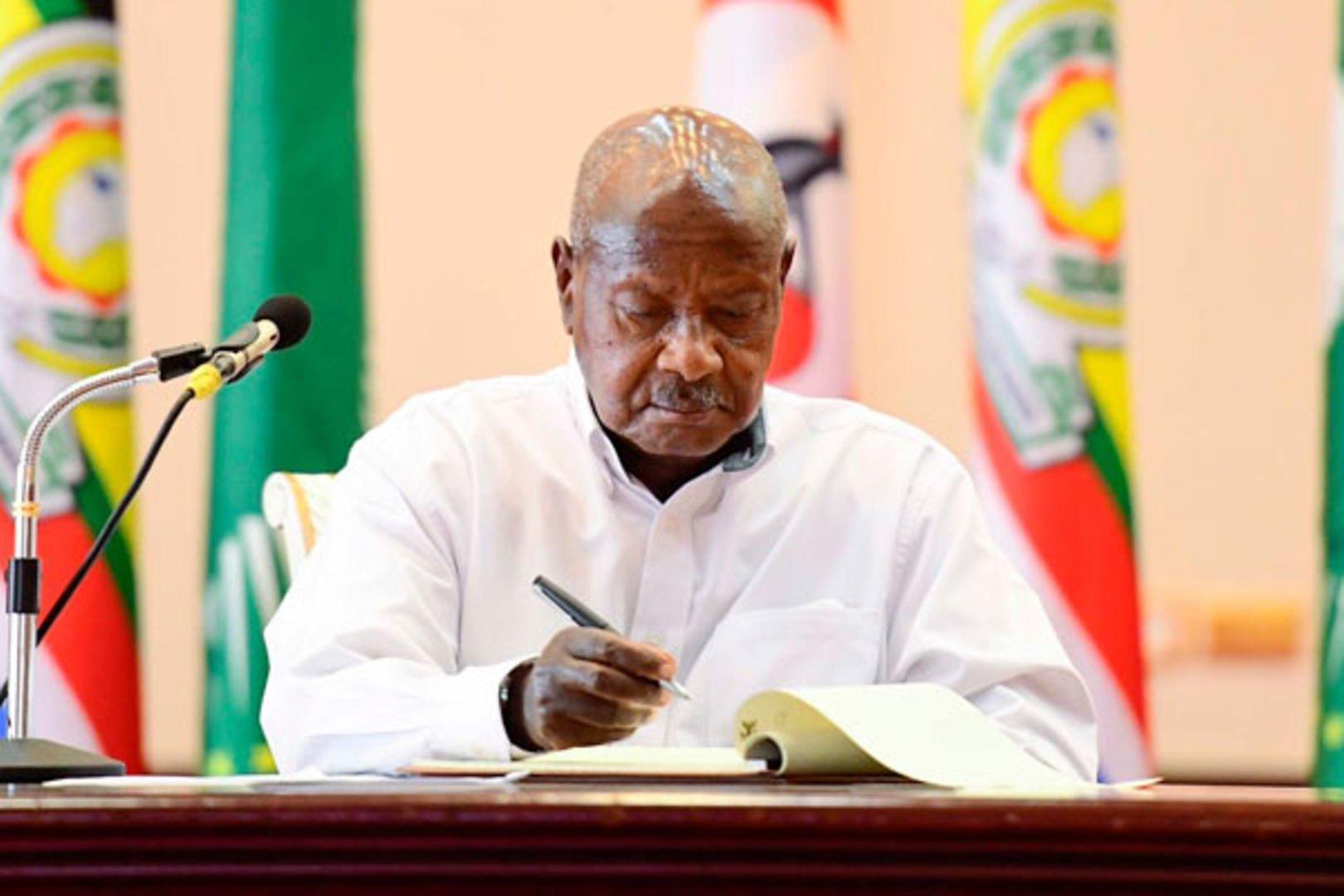
This after President Yoweri Kaguta Museveni assented to the Energy Efficiency and Conservation Act, 2026, which is part of a broader package of eight new laws aimed at tightening regulation, strengthening worker protections, and improving institutional performance across key sectors.
The new energy law, widely seen as one of the most consequential reforms in Uganda’s power and environmental landscape in recent years, introduces mandatory energy standards, audits, and regulations targeting inefficient technologies across industries, households, and transport systems.
SNV Uganda is now implementing a three-year project to catalyze energy efficiency markets in Uganda, running from 2025 to 2028.
Addressing journalists from Bunyoro and Tooro regions during a training on energy efficiency awareness held at Fort Breze hotel in Fort Portal City on Wednesday, Jacob Etuganan working with SNV Uganda says the Inclusive Markets for Energy Efficiency in Uganda Phase II (IMEU-II) project is funded by the Embassy of Sweden in Uganda and it is being implemented as a consortium led by SNV in partnership with Private Sector Foundation Uganda (PSFU)and Makerere University’s College of Engineering, Design, Art and Technology in collaboration with the Ministry of Energy and Mineral Development.
Etuganan stressed that the project aims to improve the livelihoods of households and increase the resilience and competitiveness of businesses and social institutions through the scaled adoption of energy efficient technologies and practices.
He expressed that the project is expected to contribute to a measurable reduction in energy demand and greenhouse gas emissions in Uganda saying that IMEU-II will be implemented across 36 districts in Uganda, targeting 55,032 households, 147 businesses and 129 social institutions with energy efficient technologies and services.
Etuganan now says the law that was signed by the president aligns with ongoing efforts to build fair and competitive energy markets in Uganda adding that SNV Uganda through the Inclusive Markets for energy efficiency Phase II project has been working with households, businesses and institutions to adopt technologies that use less energy and cost less to run and this Act gives those efforts legal backing.
He noted that without regulation, Uganda risked becoming a dumping ground for inefficient products that raise costs for ordinary people saying for too long consumers have paid more for electricity because of appliances that waste power but with this law all can be put to stop and ensure Ugandans get value for money.
He says the new law will strengthen institutional coordination and give implementers like SNV Uganda a clearer framework to work with government and the private sector stressing that the reforms will reduce energy demand, cut greenhouse gas emissions and free up savings.