By Edward Byamukama
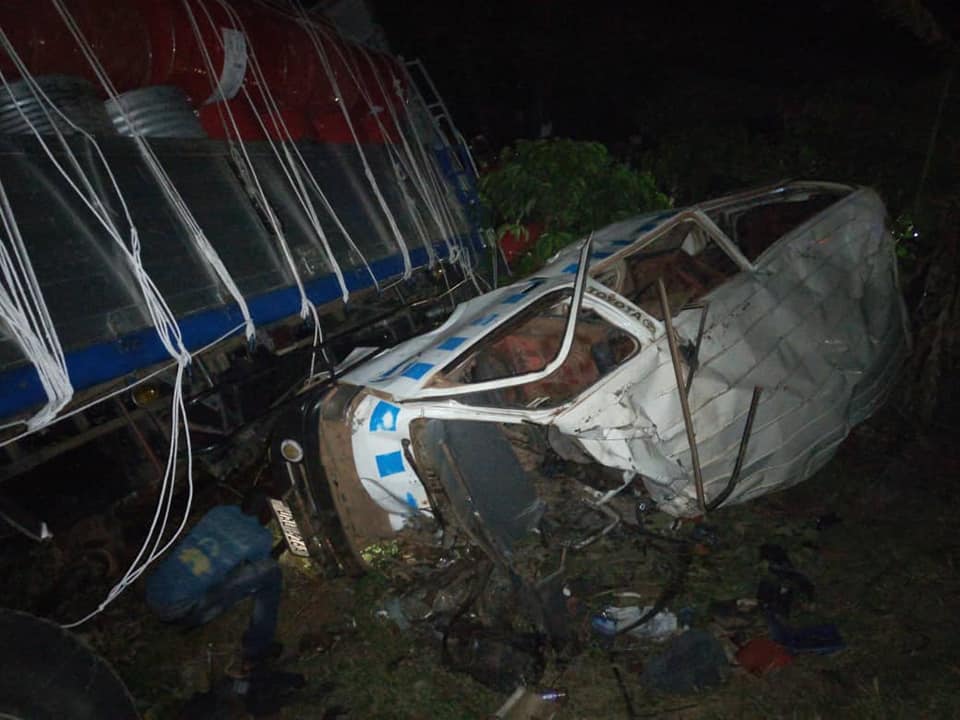
A surge in fatal road crashes in Kagadi District has raised alarm among leaders and residents, with several lives lost within just one-week, intensifying fears over road safety.
The latest victim, Edward John Kisembo, was found dead on Sunday along the Kagadi–Hoima-Road in Kaborogota Village, Mabaale Sub-county.
His body was discovered lying in a pool of blood, with suspicions that the rider who knocked him fled the scene. In a separate incident, Kayondo Erinasani, a resident of Kyejumikire Cell in Mabaale Town Council, died after crashing into a stationary sugarcane truck at Namilyanga Cell along the Kagadi–Muhorro road. He was pronounced dead at Doctor Kakibogo’s Clinic.
Earlier, on March 26, 2026, another tragic accident occurred at Namiryango Cell on the same road, where a sugarcane truck crushed Godwine Travor, a Primary Two pupil at Kagadi Model Primary School. Speaking during Kisembo’s burial in Kiyaga Cell, Pacwa Town Council, leaders expressed deep concern over the rising number of accidents. District councillor Charles Kobwemi said the crashes are instilling fear and robbing the district of valuable lives.
LCIII Chairperson Justus Businge attributed the accidents to negligence among road users, especially those who ignore traffic rules.
Resident District Commissioner Caroline Nanshemeza urged motorists to act responsibly and observe traffic regulations, citing reckless driving, speeding, overloading, and drunk driving as key causes.
Meanwhile, Pastor Johnson Turanzomwe called for spiritual reflection, urging the public to return to God, saying moral decline could be contributing to the tragedies.
The concerns come amid national statistics highlighting the scale of the problem. According to the 2025 Crime Report by the Criminal Investigations Directorate, an average of 25 Ugandans die daily due to murder and road accidents. Leaders in Kagadi are now calling for stricter enforcement of traffic laws, increased public awareness, and collective responsibility to curb the growing trend and save lives.